A Detailed Guide to the Sand, Surf, Community, and Coastal Housing
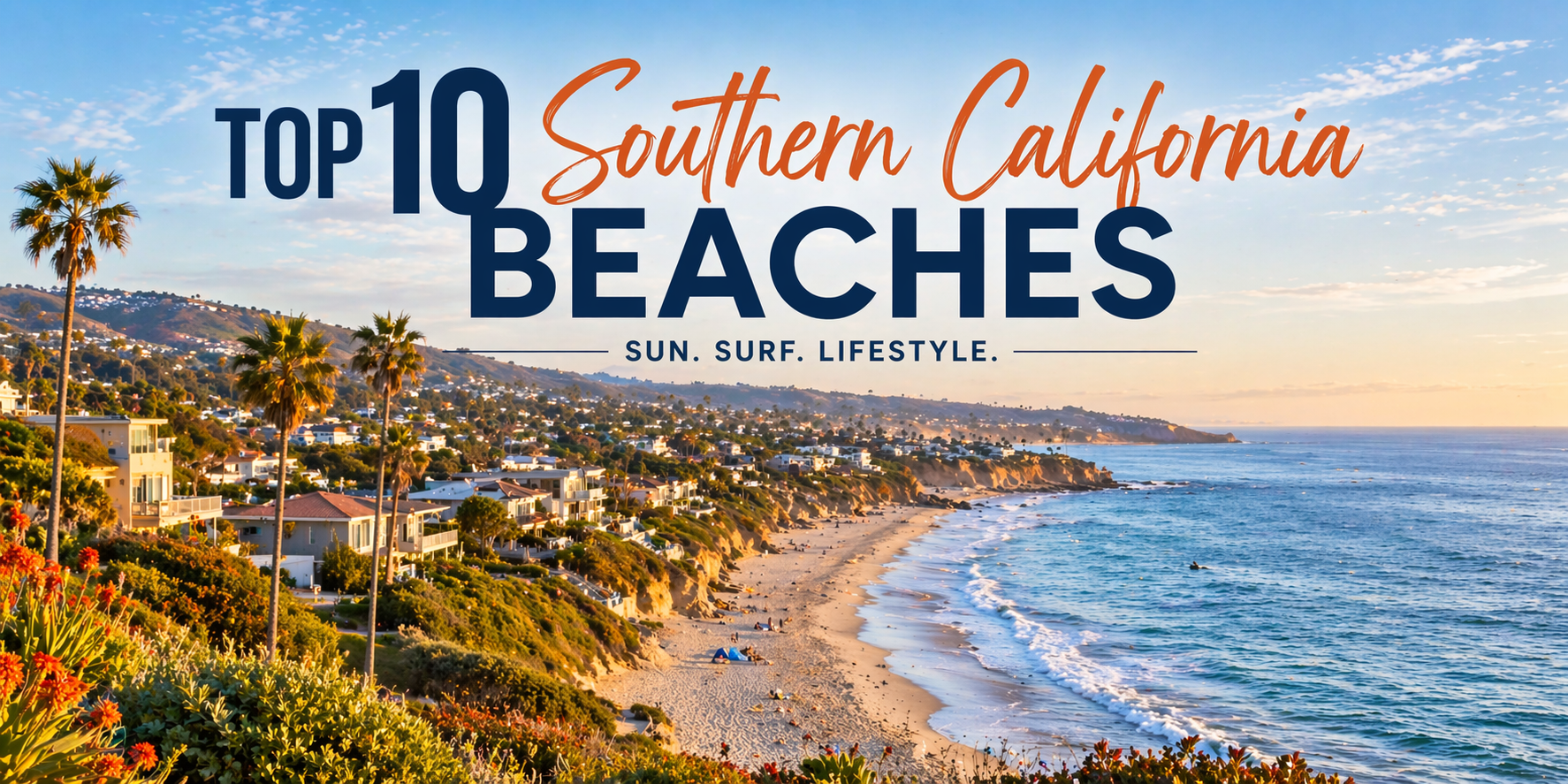
Southern California beach culture is not one thing. It is 10 different Saturdays, 10 different sunset rituals, and 10 very different real estate markets packed into a single stretch of coastline. Some beaches are built for long surf sessions and barefoot afternoons. Others are more about volleyball, stroller walks, fire rings, harbor views, or postcard-level luxury. Below is a fuller version of the guide, with more texture on what each beach actually feels like to visit and what the surrounding community is like to call home. Housing figures below use recent research at the city level from February 2026, so they are a snapshot rather than a promise of current pricing.
1. Malibu — Zuma Beach and the wider Malibu coastline
If you want the classic big-sky, big-sand Southern California beach day, Zuma is one of the strongest picks on the entire coast. It is wide, long, and built to handle crowds better than many prettier-but-tighter coves. Official county information notes 1.8 miles of beach frontage, about 105 acres, roughly 2,000 parking spaces, food stands, showers, restrooms, and volleyball nets, which is a big reason it works so well for families, groups, and long summer days. Zuma is also known for swimming, boogie boarding, surfing, and even kite surfing, so it feels active without being overly urban.
Surf-wise, Malibu is famous for point breaks, but Zuma itself is more of a broad, punchier beach experience than the slower, more polished longboard image many people associate with Surfrider. It can be good for bodyboarding and beachbreak surfing, but it is also a place where conditions can get more powerful than casual visitors expect. The busiest hours are usually late morning through sunset on warm weekends, especially in summer. What Zuma does not really trade on is the evening bonfire scene; official county amenity listings highlight volleyball, showers, and food service, but not fire rings. That helps define the vibe: a daytime beach first, less of a nighttime hangout than parts of Orange County.
The surrounding Malibu community is exactly what people imagine: canyon roads, ocean-view homes, celebrity privacy, equestrian pockets, and a lifestyle centered on scenery rather than walkability. The real estate market remains elite even by California standards. Research indicates Malibu’s median sale price at about $3.68 million in February 2026, with homes taking about 120 days on average to sell. In plain English, Malibu buyers are paying for coastline, land, and identity as much as square footage. ()
2. Santa Monica State Beach
Santa Monica is the opposite of secluded. It is one of the most public-facing, iconic beaches in California, and that is exactly the appeal. The official city page describes more than three miles of beach and 245 acres of sand. California State Parks notes volleyball, basketball, picnic areas, shops, the pier, and the running strip along the beach. This is one of the easiest beaches to enjoy if your group wants different things at once: some people can swim, some can bike, some can walk the promenade, and someone else can disappear onto the pier for food or arcade time.
In the water, Santa Monica is approachable for casual swimming and occasional surfing or paddleboarding, though it is less of a surf-destination identity beach than some of the others on this list. Visitor guidance from Santa Monica tourism notes Fridays, Saturdays, and holiday weekends are often the busiest, while midweek is calmer. Santa Monica shines more as an all-day activity beach than a pure surf beach. It is also not a major fire-pit beach; the official pages emphasize volleyball, basketball, running, and pier activities rather than bonfire infrastructure.
The surrounding community is one of the best examples of true coastal urban living in Southern California. You get beach access, shopping, dining, employment density, and a more walkable daily life than at many other luxury beach markets. Housing is expensive but more varied than Malibu, with condos, apartments, and single-family neighborhoods all in the mix. Research indicates Santa Monica’s median sale price at about $1.82 million in February 2026, with homes averaging 58 days on market. Buyers here are often paying for a coastal city lifestyle as much as the beach itself.
3. Manhattan Beach
Manhattan Beach is one of the most balanced beach towns in Southern California. It has surf, a strong downtown, a handsome pier, and a civic identity that feels polished without being stiff. County beach information highlights swimming and surfing, with El Porto at the north end standing out as an especially popular surf zone where lessons are common. The beach also has extensive volleyball nets stretching toward Hermosa Beach, which is a huge part of the culture here.
This is a beach with a serious athletic identity. Manhattan Beach hosts the Manhattan Beach Open, and the city also promotes the legendary Charlie Saikley 6-Man tournament. The broader South Bay also ties into the long-running International Surf Festival, which includes signature events like the Dwight Crum Pier-to-Pier Swim and beach volleyball competitions. So this is not just a place to lay out a towel; it is one of the most competitive and tradition-rich beach sports environments in the region. Peak crowd times are typically sunny afternoons and summer weekends, but it stays lively year-round because of the pier and downtown.
The housing market reflects that prestige. Manhattan Beach remains one of the strongest family-oriented coastal enclaves in Los Angeles County, thanks to schools, neighborhood quality, and the famous Strand lifestyle. Research indicates a median sale price of about $4.0 million in February 2026, with homes averaging 76 days on market. This is a high-entry market, but buyers tend to be rewarded with a town that feels both upscale and genuinely lived-in.
4. Huntington Beach
Huntington Beach earns its “Surf City” reputation because the beach is not just scenic, it is built around surf culture. Huntington City Beach offers volleyball courts, bonfire pits, the iconic pier, and easy access to Main Street and nearby shopping and dining. The city’s own beach information states there are 127 fire pits located south of First Street to Beach Boulevard, and fire rings are offered year-round from 6:00 a.m. to 10:00 p.m. on a first-come basis. That makes Huntington one of the best choices on this list for a full day that turns into night.
This is also one of the most event-driven beaches in Southern California. The US Open of Surfing is a signature annual draw, and the pier-centered part of town feels busy even when major events are not running. Surf conditions can range from beginner-friendly beachbreak days to much more energetic sessions, but the overall culture here is openly surf-first. Volleyball, biking, casual pier walks, and bonfires make it one of the most complete “activity beaches” in the state. Expect the busiest hours around late morning through sunset on weekends, especially in summer.
The surrounding community is broad enough to serve different budgets and lifestyles. Downtown gives you a more walkable beach-town experience, while inland neighborhoods offer more conventional suburban living with beach access still close by. Research indicates Huntington Beach at about $1.28 million median sale price in February 2026, with homes averaging 35 days on market.
5. Newport Beach — Balboa Peninsula and Corona del Mar
Newport is not just one beach; it is a whole coastal system of peninsula sand, harbor life, upscale neighborhoods, and highly different water conditions packed together. The City of Newport Beach says fire rings and public barbecues are available near Balboa Pier and at Corona del Mar State Beach from 6 a.m. to 10 p.m. on a first-come basis, and it also notes the Newport and Balboa piers are open from 5 a.m. until midnight. Corona del Mar State Beach is officially described as a half-mile sandy beach framed by cliffs and a rock jetty, popular with swimmers, surfers, and divers.
In practical terms, Newport gives you choices. Balboa Peninsula is classic, busy, and sandy, with stronger boardwalk-and-pier energy. Corona del Mar is more scenic and tucked-in, with a family-and-picnic feel. Surf-wise, Newport can be mellow in some spots and famously intense in others, especially if you move toward more advanced breaks like The Wedge. The peninsula also has lifeguard infrastructure, with multiple towers staffed seasonally. Nighttime fire-ring use is one of Newport’s big advantages over many Los Angeles beaches.
The surrounding market is deeply luxury-oriented, but the type of luxury changes by subarea. Balboa can feel compact, active, and second-home driven; Corona del Mar feels more boutique and polished; harbor properties bring an entirely different buyer profile. Research indicates Newport Beach at about $3.55 million median sale price in February 2026, with homes averaging 54 days on market. This is a place where boating, beach access, and social prestige all feed directly into value.
6. Laguna Beach
Laguna is less about sheer beach size and more about drama, charm, and visual identity. For this list, Main Beach is the anchor because it is the most accessible snapshot of Laguna’s personality. The city lists amenities including 4 sand volleyball courts, 2 half basketball courts, a playground, outdoor showers, and restrooms. The area also features a grassy park, boardwalk, public art, and generally mellow waves, which makes this beach unusually versatile for a place that still feels scenic and upscale.
Laguna’s broader beach culture is more cove-based and design-oriented than Huntington’s or Manhattan’s. You come here for cliff walks, art-town atmosphere, and beaches that feel discovered even when they are famous. Skimboarding is a major local identity marker, and events like the World Championship of Skimboarding reinforce that. Main Beach itself is often more about swimming, body surfing, volleyball, and people-watching than dedicated surfing.
The housing market in Laguna reflects its one-of-a-kind feel. Buyers are often paying for ocean views, architecture, and a town that feels artistic rather than suburban. Inventory tends to be limited, and many homes are highly customized. Research indicates Laguna Beach at about $2.91 million median sale price in February 2026, with homes averaging 118 days on market.
7. Dana Point — centered on Doheny State Beach
Dana Point feels more harbor-oriented and gently active than flashy. Doheny State Beach is one of the easiest beaches in Southern California to recommend to families, beginner surfers, and people who like having plenty of infrastructure nearby. It offers bonfire rings, picnic areas, volleyball courts, and even beachfront camping.
The surf here is approachable and beginner-friendly, making it ideal for lessons and longboarding. It is also a beach where you regularly see a mix of families, casual surfers, and sunset gatherings around fire pits. Events like the Doheny Surf & Art Festival further reinforce its local community feel.
The Dana Point housing market has been pulled upward by harbor revitalization and coastal demand. Research indicates a median sale price of about $2.05 million in February 2026, with homes averaging 99 days on market.
8. San Clemente
San Clemente brings a more relaxed, traditional surf-town energy than much of Orange County. The beaches are less crowded, and the experience is more local and less commercial. The city maintains strong surf culture, a walkable pier, and coastal trails.
Surf conditions are consistent and well-regarded, making it a favorite among surfers. Events like the Ocean Festival and Fourth of July celebrations reinforce the town’s identity. Fire pits are more limited, but the overall experience is calmer and more laid-back.
Research indicates a median sale price of about $1.59 million in February 2026, with homes averaging 30 days on market.
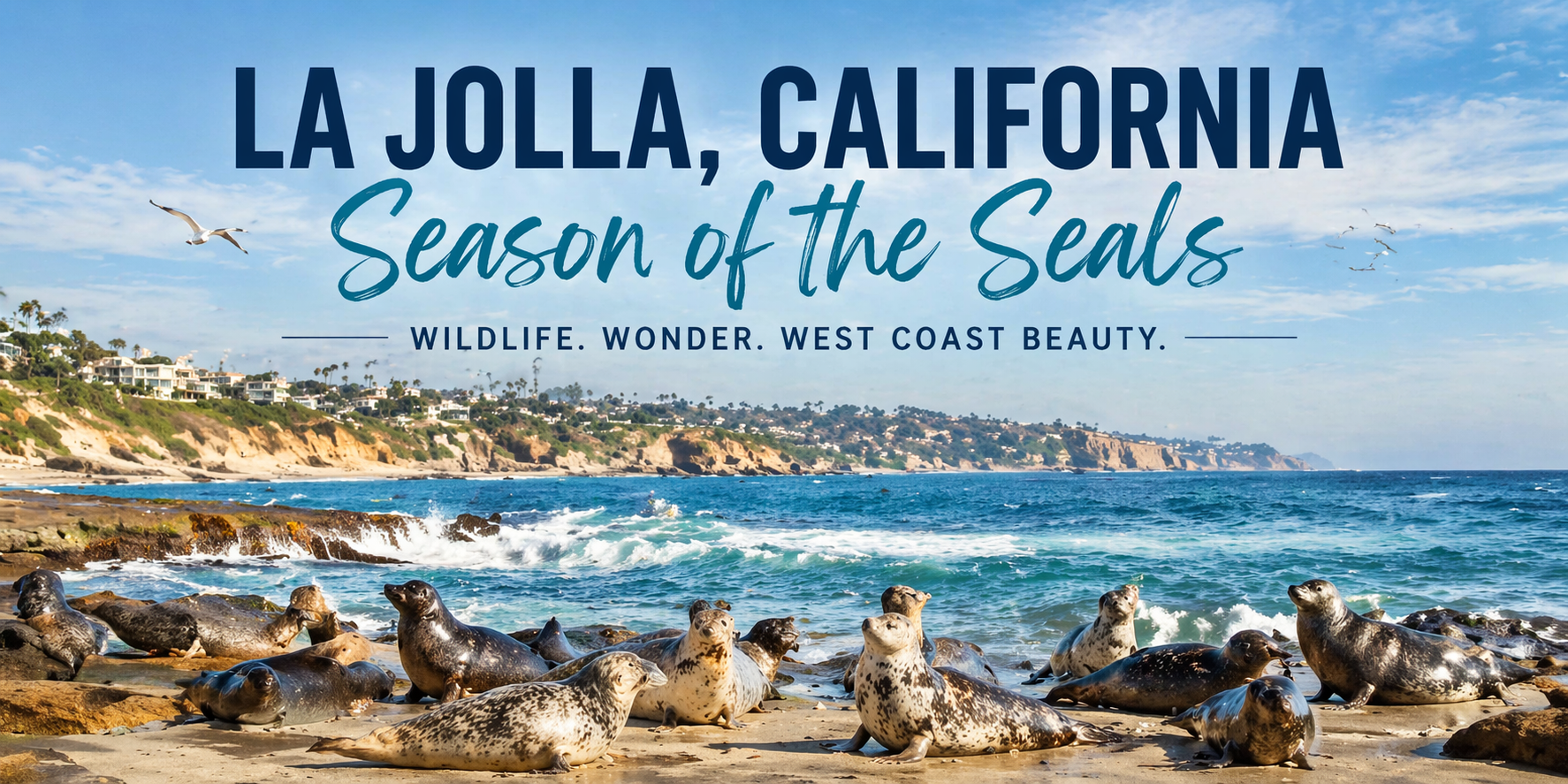
9. La Jolla Shores
La Jolla Shores is one of the most accessible and family-friendly beaches in San Diego County. The waves are typically gentle, making it ideal for swimming, kayaking, snorkeling, and beginner surf lessons.
It is also located near an ecological reserve, which adds a unique layer of marine life and outdoor activity. The beach remains active but rarely overwhelming compared to more tourist-heavy locations.
Research indicates La Jolla at about $2.40 million median sale price in February 2026, with homes averaging 51 days on market.
10. Coronado Beach
Coronado Beach offers a wide, clean shoreline with a resort-like atmosphere. It includes lifeguards, fire pits, playgrounds, volleyball courts, and easy access to the iconic Hotel del Coronado.
This is less of a surf destination and more of a lifestyle beach focused on comfort, scenery, and accessibility. It is especially popular with families and visitors looking for a polished beach experience.
Research indicates a median sale price of about $2.18 million in February 2026, with homes averaging 84 days on market.
Bottom line
If you want raw prestige and dramatic scenery, Malibu and Newport lead the conversation. If you want sports culture and beach-town energy, Manhattan Beach and Huntington are hard to beat. If you want artistic charm, Laguna delivers. If you want family-friendlier surf and bonfire versatility, Doheny, La Jolla Shores, and Coronado stand out. And if you want a strong all-around lifestyle play with a little more breathing room, San Clemente remains one of the most appealing names on the list. The “best” Southern California beach really depends on whether you are shopping for waves, walkability, fire pits, scenery, or a place to buy a home.
Thinking About Coastal Living?
If reading about Southern California’s beaches has you thinking about what it would be like to live near the coast, you’re not alone. Each of these communities offers a different version of that lifestyle—and finding the right fit is where the real opportunity is.
Reach out to Sean ONeil, Broker to learn more about available homes, local market conditions, and what it takes to make a move toward the coast.
Call or text (951) 285-6777